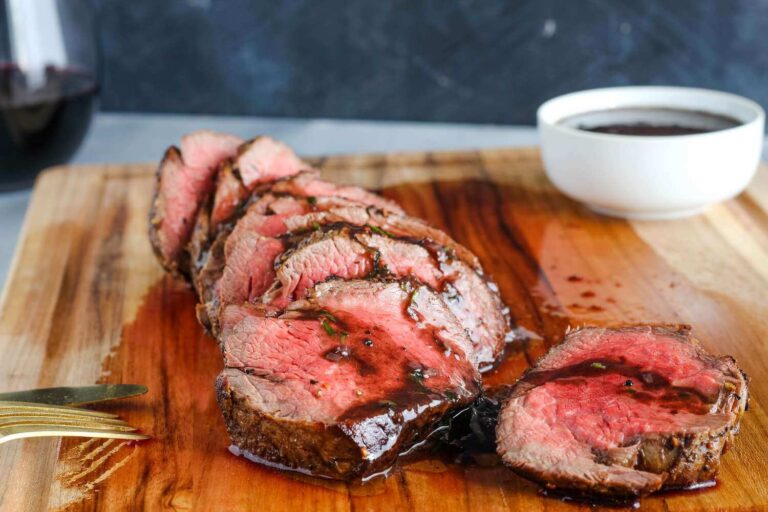
Chateaubriand is one of the most celebrated and misunderstood cuts of beef in fine dining. Often associated with French culinary tradition, luxury restaurants, and special occasions, this dish has earned a reputation for tenderness, elegance, and precision cooking. Understanding what makes it unique, how it differs from other beef cuts, and how to prepare it correctly is essential for anyone serious about food.
This guide explains everything you need to know about it, from its origins and anatomy to cooking methods, sauces, and serving techniques.
The Origins of Chateaubriand
The story of chateaubriand traces back to 19th-century France, where it was named after François-René de Chateaubriand, a French writer and statesman. While historical accounts vary, the dish became synonymous with refined French cooking and high-end dining.
Originally served with a rich butter-based sauce and carefully roasted, it symbolised restraint and craftsmanship rather than excess, relying on the natural quality of the beef rather than heavy seasoning.
What Cut of Beef Is Chateaubriand?
At its core, it comes from the thick centre portion of the beef tenderloin. This specific section is prized because it is:
- Exceptionally tender
- Uniform in thickness
- Lean with minimal connective tissue
Unlike filet mignon, which is cut into individual steaks, chateaubriand is traditionally prepared as a larger shared portion, making it ideal for two people.
Why Chateaubriand Is So Tender
The tenderness of chateaubriand comes from its location on the animal. The tenderloin does very little work, resulting in fine muscle fibres and virtually no toughness.
This makes it one of the most forgiving cuts in terms of texture, though it still demands precision to avoid overcooking.
Choosing the Right Beef for Chateaubriand
Selecting quality beef is critical when preparing it at home.
Beef Grade and Quality
Look for high-grade beef with excellent colour and freshness. While marbling is minimal by nature, quality sourcing ensures flavour depth.
Size and Shape
A proper chateaubriand should be thick, evenly shaped, and free of tapered ends to ensure even cooking.
Classic Chateaubriand Recipe (Restaurant-Style at Home)
This classic preparation focuses on precision, temperature control, and restraint—allowing the natural tenderness and flavour of it to shine.
Ingredients
- 1 centre-cut chateaubriand (approximately 450–600 g)
- Sea salt (to taste)
- Freshly ground black pepper
- 2 tablespoons neutral oil (such as grapeseed or canola)
- 2 tablespoons unsalted butter
- 2 garlic cloves, lightly crushed
- Fresh thyme or rosemary sprigs
Optional Sauce (Traditional)
- Béarnaise sauce or herb butter (served on the side)
Step-by-Step Cooking Method
1. Bring to Room Temperature
Remove the chateaubriand from the refrigerator 45–60 minutes before cooking. This ensures even internal cooking and prevents a cold centre.
2. Season Generously
Pat the beef dry with paper towel. Season all sides evenly with salt and pepper just before cooking.
3. Sear the Beef
Preheat a heavy oven-safe pan over medium-high heat. Add oil and sear the chateaubriand on all sides until a deep golden-brown crust forms. This step locks in flavour.
4. Butter Baste
Lower the heat slightly. Add butter, garlic, and herbs to the pan. Tilt the pan and spoon the foaming butter over the beef for 1–2 minutes.
5. Oven Finish
Transfer the pan to a preheated oven at 190°C (375°F). Roast until the internal temperature reaches:
- 50–52°C (122–125°F) for rare
- 54–56°C (129–133°F) for medium-rare
Use a thermometer for accuracy.
6. Rest Properly
Remove from the oven and rest the chateaubriand uncovered for 10–15 minutes. Resting is essential for juice redistribution.
7. Slice and Serve
Slice evenly across the grain and serve immediately. Add sauce sparingly if desired.
Chef Tips for Best Results
- Do not over-season—this cut relies on beef quality
- Always rest longer than you think necessary
- Slice only just before serving
- Serve with simple sides to keep the focus on the beef
Best Side Pairings
- Roasted potatoes or pommes fondant
- Green beans or asparagus
- Light salad with vinaigrette
Classic Cooking Methods for Chateaubriand
Cooking it is about control, not complexity.
Oven Roasting
Traditional preparation involves searing the beef first, then finishing it in the oven at a moderate temperature. This method ensures even doneness throughout the centre.
Pan Searing and Finishing
Modern kitchens often pan-sear chateaubriand and finish it with butter basting for added richness.
Both methods emphasise precision and temperature awareness.
Internal Temperature and Doneness
Because it is lean, internal temperature is crucial.
- Rare to medium-rare is ideal
- Overcooking leads to dryness
- A thermometer is strongly recommended
Resting the meat after cooking allows juices to redistribute, preserving the signature texture of it.
Resting and Slicing Techniques
Resting is not optional when cooking it. A rest of at least 10 minutes ensures moisture retention.
Slicing should be done cleanly and evenly, across the grain, to showcase the tenderness that defines chateaubriand.
Traditional Sauces Served with Chateaubriand
Sauce plays a supporting role, not a dominant one.
Classic Accompaniments
Traditional pairings include béarnaise or herb-infused butter sauces, designed to complement rather than mask the beef.
Modern Variations
Contemporary chefs may serve it with red wine reductions or light jus for a cleaner finish.
Best Side Dishes to Serve
Side dishes should enhance, not overpower, chateaubriand.
Popular options include:
- Roasted potatoes
- Seasonal vegetables
- Light salads with acidity
Balance is essential when plating it.
Wine Pairings for Chateaubriand
Wine pairing elevates the experience of it significantly.
Full-bodied red wines with moderate tannins work best, allowing the beef’s subtle flavour to remain the focus.
Common Mistakes to Avoid
Many mistakes stem from misunderstanding the nature of chateaubriand.
- Cooking it like a standard steak
- Skipping the resting phase
- Using excessive seasoning
Respecting the cut is key to success.
Buying Chateaubriand: Butcher vs Supermarket
While some supermarkets offer suitable cuts, sourcing it from a trusted butcher ensures proper trimming and size.
Clear communication with your butcher helps secure the correct centre-cut portion.
Home Cooking Vs Restaurant Preparation
Restaurants rely on experience and professional equipment, but home cooks can achieve excellent results with preparation and patience. Cooking chateaubriand at home is less about technique mastery and more about discipline.
Why Chateaubriand Remains Popular Today
Despite modern food trends, it remains relevant because it represents simplicity, craftsmanship, and respect for ingredients.
Its continued presence on menus reflects its timeless appeal.
Frequently Asked Questions (FAQ)
What exactly is chateaubriand?
It is a thick centre-cut portion of beef tenderloin traditionally prepared as a shared dish.
Is it the same as filet mignon?
No. It is a larger centre cut, while filet mignon is sliced into individual steaks.
How many people does it serve?
A standard chateaubriand typically serves two people comfortably.
Is it difficult to cook?
It requires attention to temperature and resting but is straightforward when prepared carefully.