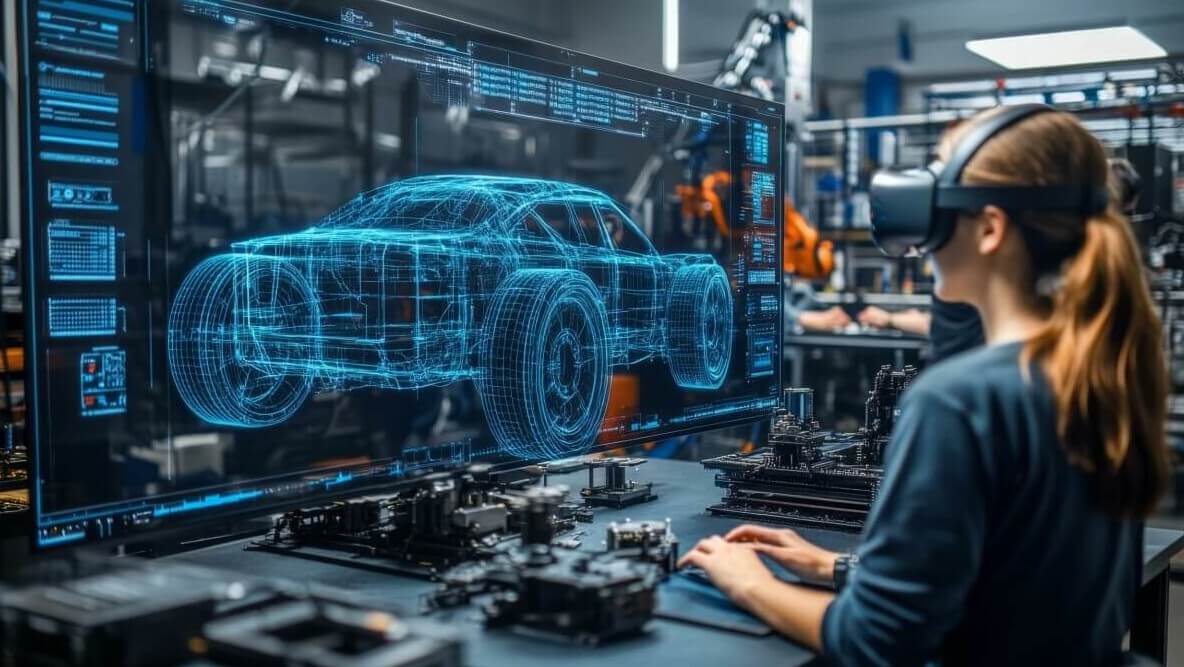
The rapid evolution of ai in automotive technology is reshaping how vehicles are designed, built, sold, and driven. Artificial intelligence is no longer a futuristic concept in this sector—it is already embedded across manufacturing plants, connected vehicles, customer engagement platforms, and dealership operations. As digital transformation accelerates, understanding ai has become essential for manufacturers, suppliers, dealers, and consumers alike.
This in-depth guide explores how ai works today, where it is headed, and why it has become one of the most influential forces in the global mobility ecosystem.
Understanding AI in Automotive Technology
At its core, ai in automotive refers to the use of machine learning, computer vision, natural language processing, and predictive analytics within vehicles and automotive systems. These technologies enable cars and supporting platforms to learn from data, make decisions, and improve performance over time.
The value of ai lies in its ability to process vast amounts of real-time data, turning raw information into actionable intelligence across the entire vehicle lifecycle.
Solutions such as SimpSocial leverage ai marketing to engage leads instantly, nurture prospects, and convert interest into real opportunities. Businesses using AI-driven engagement tools can scale communication while maintaining a personalised customer experience – learn more.
AI in Automotive Manufacturing and Production
One of the earliest and most impactful uses of ai in automotive appears in manufacturing environments. Automotive plants rely on AI-powered systems to increase efficiency, reduce waste, and maintain consistent quality.
By applying ai production lines, manufacturers can detect defects earlier, optimise workflows, and reduce downtime through predictive maintenance. Robotics guided by artificial intelligence also adapt to changes faster than traditional automation, improving overall plant flexibility.
AI in Design and Engineering
The design phase has also been transformed by ai in automotive innovation. Engineers now use AI-driven simulations to test aerodynamics, materials, and safety features long before physical prototypes are built.
Through ai design processes, manufacturers can explore thousands of design variations quickly, reducing development cycles while improving vehicle performance, efficiency, and safety outcomes.
AI in Safety and Driver Assistance
Safety is one of the most visible benefits of ai in automotive applications. Advanced driver assistance systems rely on artificial intelligence to interpret sensor data and respond to changing road conditions.
By integrating ai safety systems, vehicles can detect obstacles, recognise traffic signs, monitor driver behaviour, and intervene to prevent accidents. These capabilities form the foundation for increasingly autonomous driving technologies.
AI in Automotive Autonomous Driving Systems
Autonomous vehicles represent one of the most complex uses of ai in automotive technology. Self-driving systems depend on AI to interpret camera feeds, radar signals, and lidar data in real time.
The success of ai autonomy depends on continuous learning, allowing systems to adapt to unpredictable environments while improving accuracy and reliability with every mile driven.
AI in Automotive Connected Vehicles
Connectivity has become a defining feature of modern mobility, and ai in automotive plays a central role in connected car ecosystems. Vehicles now communicate with cloud platforms, infrastructure, and other vehicles to enhance functionality.
With ai connectivity, drivers benefit from real-time navigation updates, predictive maintenance alerts, personalised infotainment, and smarter energy management.
AI Sales, Marketing, and Customer Engagement
Beyond the vehicle itself, ai has transformed how brands interact with buyers. AI-powered platforms analyse consumer behaviour, automate follow-ups, and personalise communication across digital channels.
AI in Automotive Supply Chain and Logistics
Supply chains are increasingly data-driven, making ai is a critical asset for logistics optimisation. AI systems forecast demand, identify supply risks, and streamline inventory management.
By applying ai in automotive logistics strategies, manufacturers and dealers can reduce delays, lower costs, and improve resilience against global disruptions.
Ethical and Regulatory Considerations of AI
As adoption grows, ai raises important ethical and regulatory questions. Data privacy, algorithm transparency, and system accountability are central concerns for governments and industry leaders.
Responsible deployment of ai in automotive requires clear standards to ensure safety, fairness, and trust across all stakeholders.
The Future of AI in Automotive Innovation
Looking ahead, ai in automotive will continue to expand into every aspect of mobility. From fully autonomous transport networks to AI-managed electric vehicle ecosystems, innovation is accelerating rapidly.
The long-term success of ai will depend on collaboration between technology providers, manufacturers, regulators, and consumers to balance innovation with responsibility.
Frequently Asked Questions (FAQ)
What is AI in automotive used for today?
It is used in manufacturing, vehicle safety systems, connected cars, autonomous driving, and customer engagement platforms.
How does AI improve safety?
AI improves safety by analysing sensor data, detecting hazards, assisting drivers, and reducing human error through automation.
Is AI only about self-driving cars?
No, ai also supports production efficiency, predictive maintenance, marketing automation, and supply chain optimisation.
Will AI replace human drivers?
While ai is advancing autonomy, human drivers will continue to play a role for the foreseeable future, especially in mixed traffic environments.
Why is AI important for dealerships?
AI helps dealerships engage leads faster, personalise communication, and improve conversion rates through intelligent automation.
Leave a Reply